Year 3 · Furniture / Object / 01
Advanced Spatial Design
WOW
Anti-utilitarian interactive chair
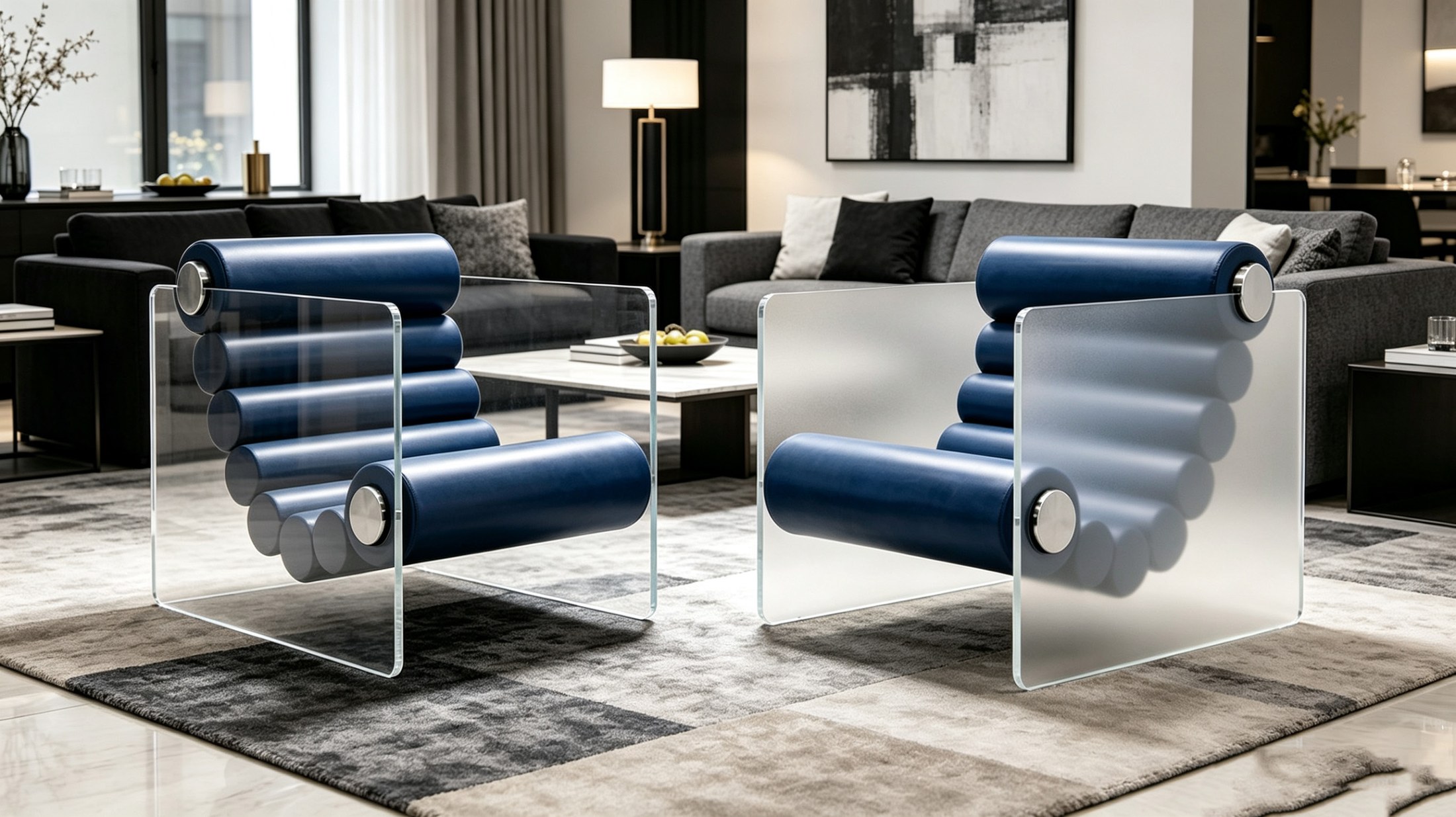
A chair that can hide or reveal its own comfort. The piece turns the language of retail display against the logic of cultural production.
Context
WOW began inside a group research project on utilitarianism: the way social behaviour is shaped by commercial gain and practical interest, often at the expense of the thing it was meant to do. My individual response narrowed that question to cultural creation — and to the furniture that stages it.
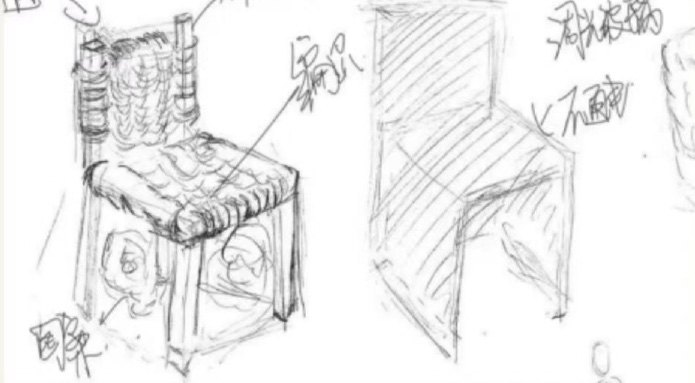
The first prototype was an all-glass frame with a woven rope interior. It was an honest diagram of “authentic” creation, but impossible to sit on. Fragile glass, exposed structure and a hard edge made it an exhibit, not a chair. That failure became the argument: pure ideology cannot survive everyday use.
Question
Can an object critique the system that produced it — and still be useful?
Response
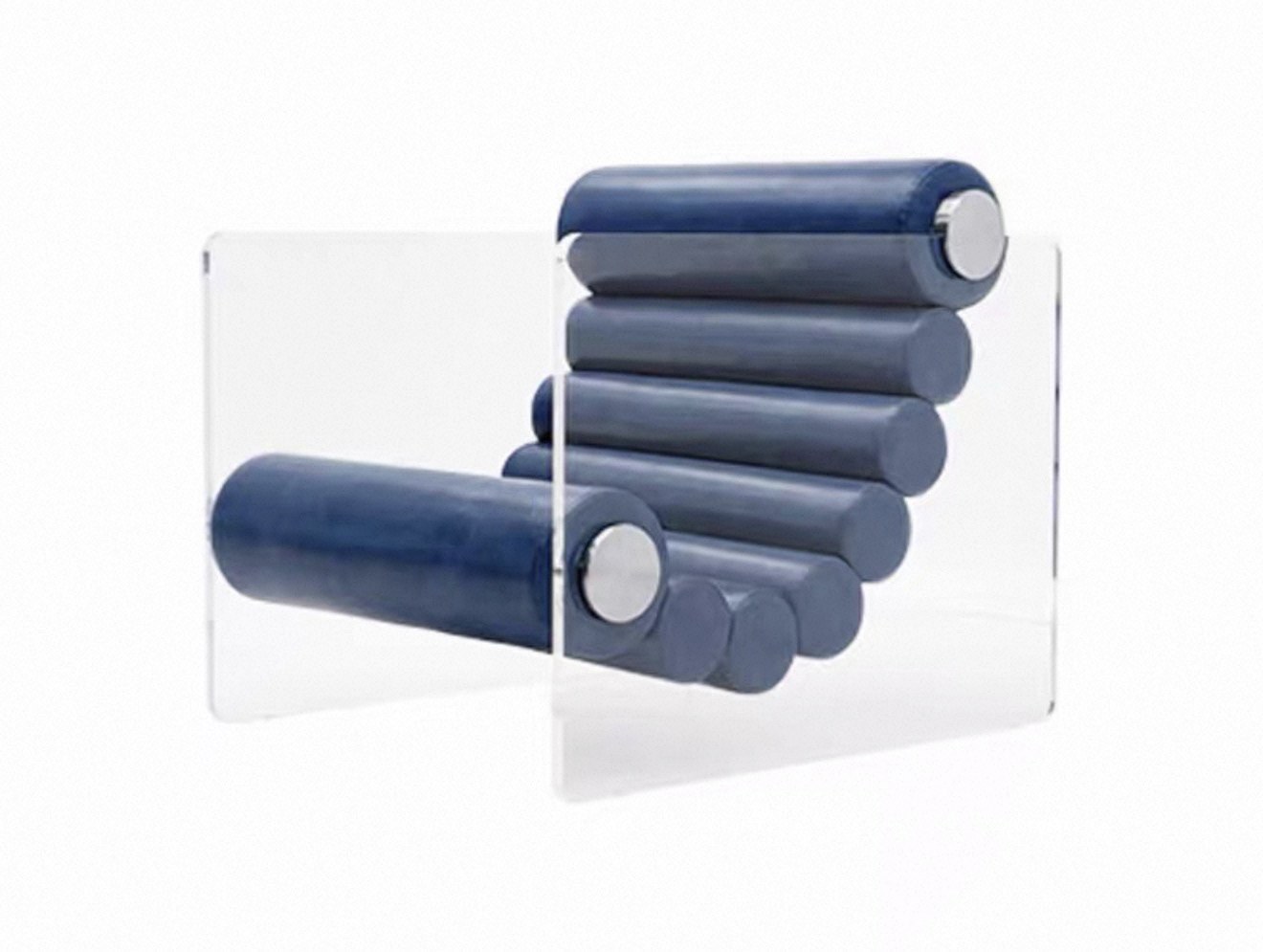
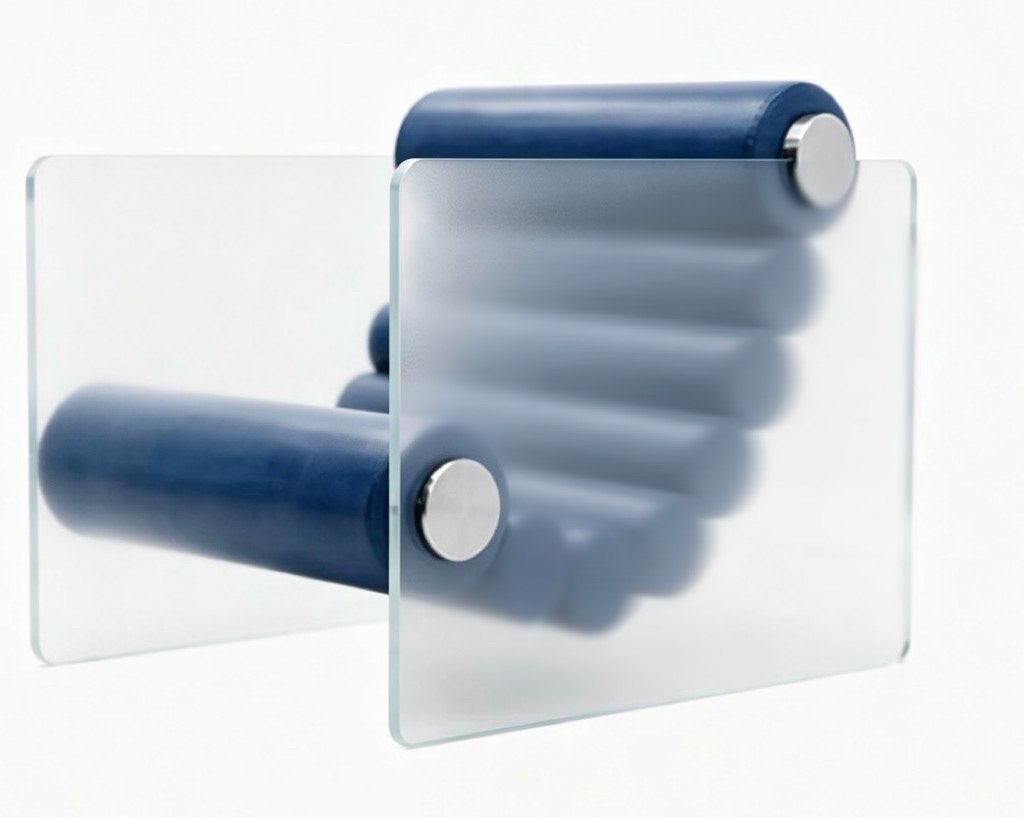
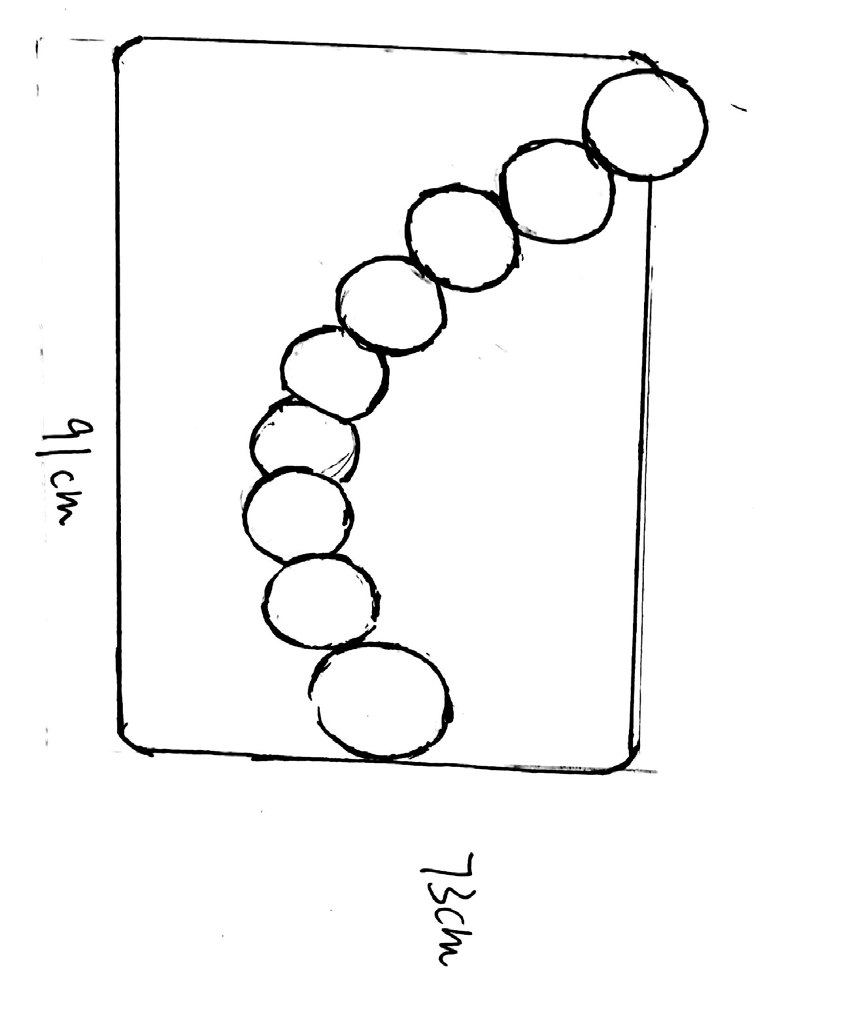
The final chair keeps the double-frame logic but replaces glass with tough acrylic, rope with blue leather cylindrical cushions, and adds a sheet of electrochromic film. The film has two states. Powered off, it frosts and conceals the cushion: a hollow core hidden behind a desirable surface. Powered on, it turns transparent and exposes the structure: the core revealed only as publicity.
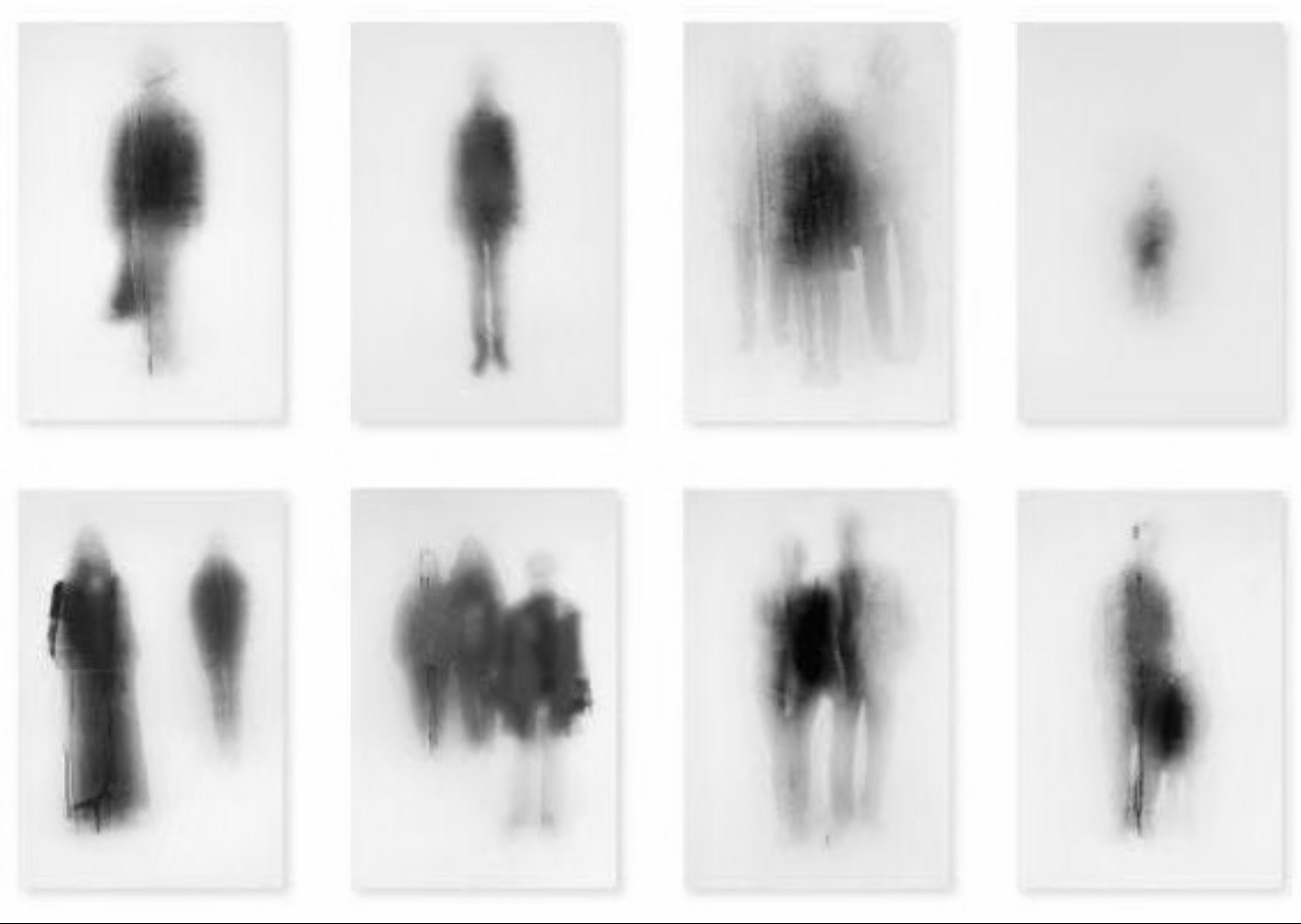
The chair borrows the grammar of a retail display — clear frame, lit object, controlled visibility — and asks who is looking at whom. Comfort is present, but it is always being performed.
Outcome
WOW is both furniture and a small theatre of visibility. It does not resolve the contradiction between art and commerce; it makes the contradiction sit-downable. The piece was developed through sketch, physical prototype and render, and is documented here as a complete object study.
Comfort is not the point. The point is who gets to see what is underneath.